Dry Ice Blasting: The Future of Industrial Cleaning
Industrial facilities today require cleaning solutions that are effective, efficient, and environmentally responsible. Dry ice blasting has emerged as one of the most advanced cleaning technologies, helping businesses maintain equipment while reducing downtime and operational costs.
Unlike traditional cleaning methods that rely on water, chemicals, or abrasive materials, dry ice blasting uses solid carbon dioxide (CO₂) pellets to remove contaminants from surfaces without causing damage.
What Is Dry Ice Blasting?
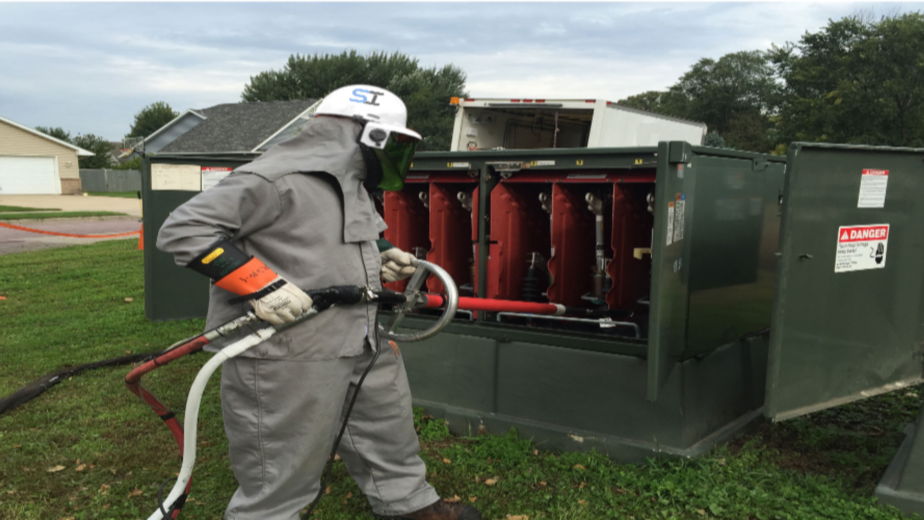
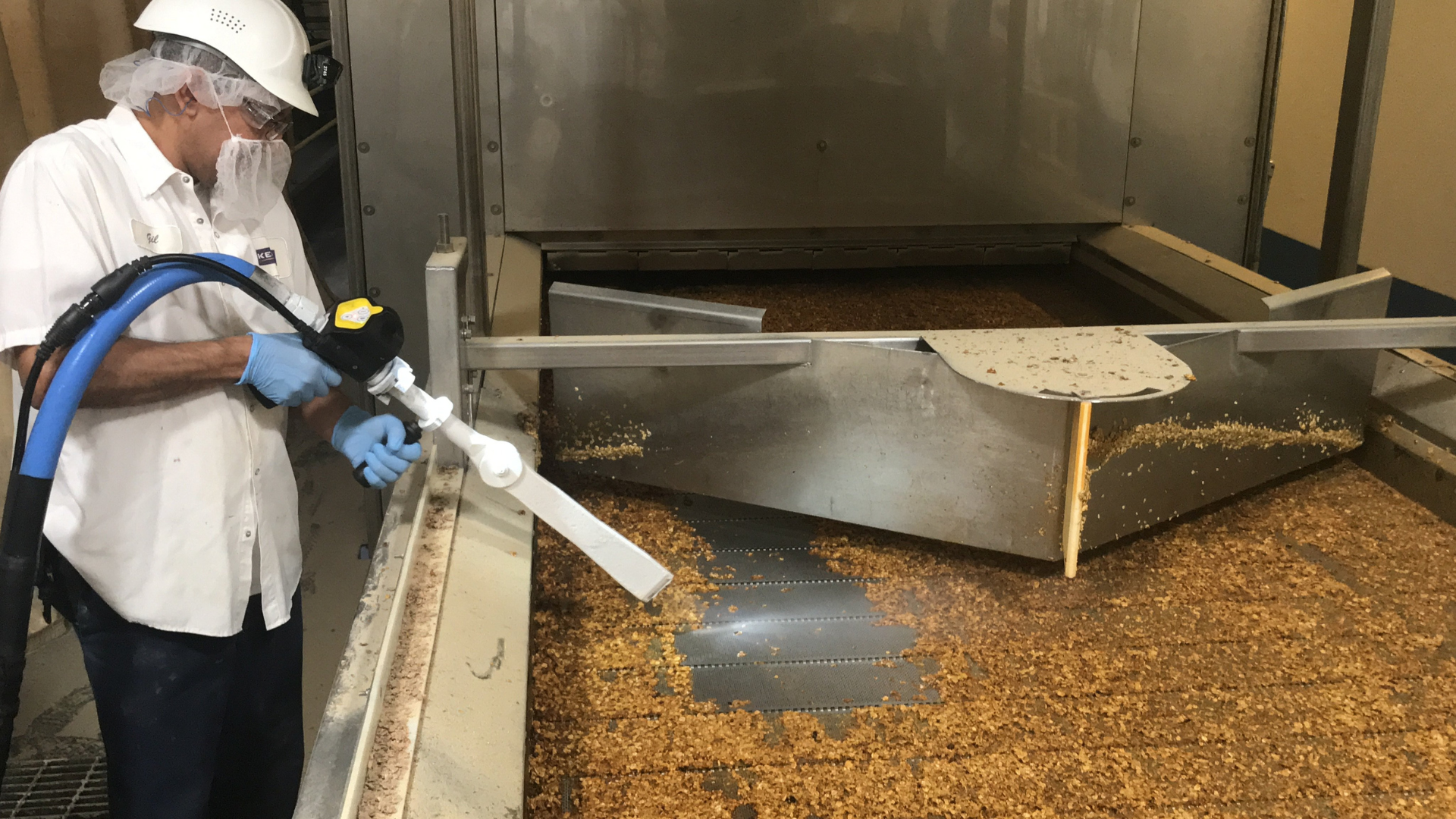
Dry ice blasting is a non-abrasive cleaning process that propels dry ice pellets at high speed using compressed air. When these pellets strike a contaminated surface, they remove dirt, grease, paint, carbon deposits, adhesives, and other unwanted materials.
Since dry ice sublimates directly from solid to gas upon impact, it leaves behind no secondary waste, making cleanup faster and more efficient.
“Dry ice blasting is not just a cleaning method—it’s a smarter approach to industrial maintenance, delivering efficiency without compromise.”
Delfrex
How Does Dry Ice Blasting Work?
The process consists of three key stages:
1. Kinetic Energy Impact
Dry ice pellets are accelerated through a blasting nozzle using compressed air. The high-speed impact helps break the bond between contaminants and the surface.
2. Thermal Shock Effect
The extremely low temperature of dry ice causes contaminants to contract and become brittle. This weakens their adhesion and makes removal easier.
3. Sublimation Expansion
Upon impact, dry ice instantly converts into gas and expands significantly in volume. This expansion lifts contaminants away from the surface, resulting in effective cleaning without abrasion.
Key Advantages of Dry Ice Blasting
Non-Abrasive Cleaning
Dry ice blasting cleans surfaces without damaging equipment, coatings, molds, or delicate components.
No Secondary Waste
Since dry ice evaporates into gas, there is no blasting media left behind for disposal.
Chemical-Free Process
The technology eliminates the need for harsh cleaning chemicals and solvents.
Reduced Downtime
Many cleaning tasks can be performed without disassembling equipment, helping maintain productivity.
Environmentally Friendly
Dry ice blasting uses recycled carbon dioxide and produces minimal waste compared to conventional cleaning methods.
Common Applications
Dry ice blasting is widely used across multiple industries, including:
- Automotive Manufacturing
- Aerospace & Aviation
- Food & Beverage Processing
- Foundry Operations
- Printing Industry
- Power Generation
- Plastics & Composites
- Oil & Gas Facilities
- Medical Equipment Manufacturing
Its versatility makes it suitable for cleaning molds, machinery, electrical components, production lines, tanks, and many other industrial assets.
Why Industries Choose Dry Ice Blasting
Companies around the world are adopting dry ice blasting because it delivers faster cleaning, lower maintenance costs, and improved operational efficiency. By reducing downtime and eliminating secondary waste, businesses can focus more on production and less on lengthy maintenance procedures.
Conclusion
Dry ice blasting has transformed industrial cleaning by providing a safe, efficient, and sustainable alternative to traditional methods. Its ability to remove contaminants without damaging equipment makes it an ideal solution for modern industries seeking higher productivity and cleaner operations.