
Freeze it.
Blast it.
Clean, dry, gone.
Dry ice blasting uses recycled CO₂ pellets accelerated at high speed to remove grease, soot, mold, paint, and contaminants without water, chemicals, or secondary waste.
What is Dry Ice Cleaning, Really?
Dry ice (solid carbon dioxide at −78.5°C) is formed into small pellets and accelerated using compressed air. When these pellets strike a contaminated surface, they break the bond between the contaminant and the substrate before instantly sublimating into gas, leaving no water or secondary residue behind.
Non-Abrasive Cleaning
Dry ice pellets are softer than most substrates, allowing effective cleaning without scratching or damaging metal, wood, plastic, or electrical equipment.
Instant Sublimation
The pellets transform directly from solid to gas on impact, eliminating water, drying time, and secondary cleaning waste.
Safe for Electrical Equipment
Because the process is dry and non-conductive, many electrical systems can be cleaned without disassembly or moisture damage.
Chemical-Free Process
No solvents, acids, or abrasive media are required. Only the removed contaminant needs disposal, making the process environmentally responsible.
From Liquid CO₂ to a Clean Surface
Dry ice blasting accelerates solid CO₂ pellets using compressed air. On impact, thermal shock, kinetic energy and sublimation remove contamination without water or chemicals.
Liquid CO₂
Food-grade CO₂ is stored under pressure.
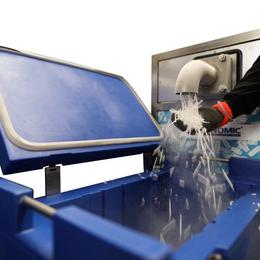
Pelletizer
Liquid CO₂ becomes dry ice pellets.
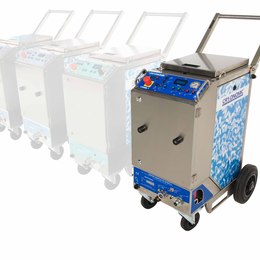
Blast Machine
Compressed air accelerates the pellets.
Nozzle
Pellets hit the surface at high speed.
Clean Surface
CO₂ sublimates, leaving no secondary waste.
One Technology. Endless Applications.
Dry ice blasting is trusted across industries because it cleans without damaging surfaces, introducing moisture, or creating secondary waste.
Engine Cleaning
Remove grease, oil, and carbon deposits from engines and mechanical parts without dismantling equipment.
Production Lines
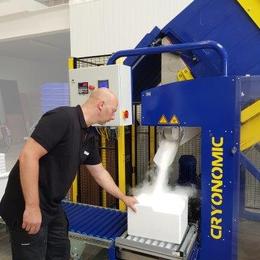
Safely clean ovens, conveyors, mixers, and food processing equipment without chemicals or water.
Fire & Mold Damage
Eliminate soot, mold, and smoke contamination from buildings while preserving the original surface.
Electrical Equipment
Clean motors, switchgear, electrical panels, and generators without introducing moisture.
Stone Restoration
Restore monuments, sculptures, brickwork, and historical buildings using a gentle, non-abrasive process.
Mould Cleaning
Clean production moulds and tooling in place to reduce downtime and increase manufacturing efficiency.
Why Choose Dry Ice Blasting?
Compare modern dry ice blasting with traditional cleaning methods.
- Secondary Waste
- Surface Damage
- Electrical Safe
- Drying Time
- Chemicals
- ✔ None
- ✔ Non-abrasive
- ✔ Yes
- ✔ None
- ✔ No
- ✖ High
- ✖ Abrasive
- ✖ No
- ✔ None
- ✔ No
- ✖ Runoff
- ● Low
- ✖ No
- ✖ Required
- ✖ Yes
DRY ICE BLASTING PROCESS
Dry ice blasting delivers powerful cleaning performance while reducing downtime and protecting valuable equipment
STEP 01
Acceleration of Dry Ice Pellets
01
Powerful cleaning begins
Dry ice pellets are accelerated using compressed air through a specialized blasting system. The pellets travel at high speed toward the targeted surface for effective contaminant removal.

STEP 02
Impact and Thermal Shock
02
Contaminants loosen rapidly
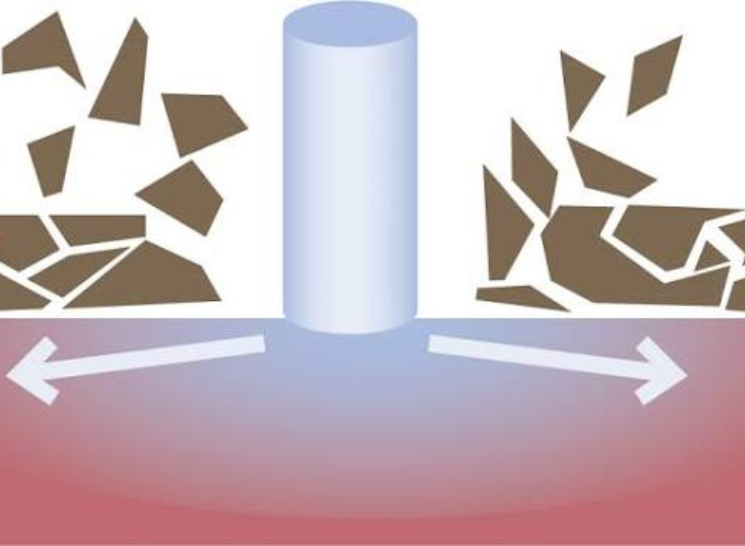
When the pellets strike the surface, rapid cooling causes contaminants to become brittle and separate from the underlying material without abrasion.
STEP 03
Sublimation and Cleaning
03
No residue left behind
The dry ice instantly converts from solid to gas, lifting contaminants away while leaving the cleaned surface dry and ready for operation.
A Cleaning Method That Cleans Up After Itself
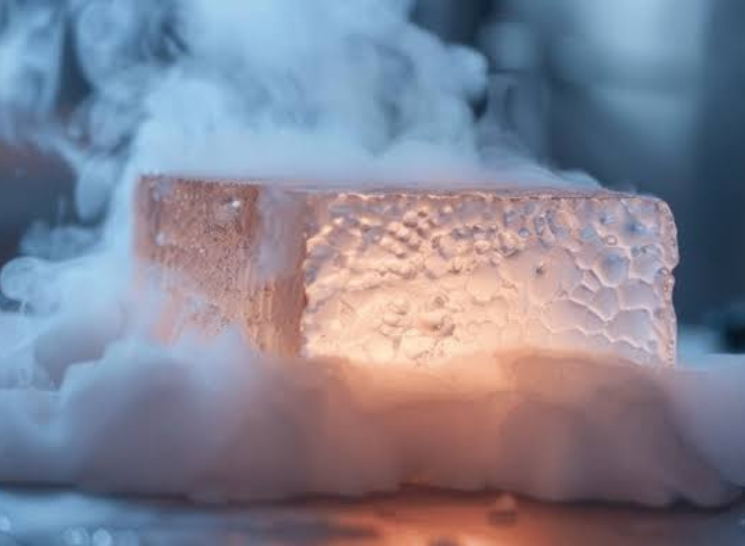
Dry ice blasting reuses captured CO₂, eliminates water usage, and avoids secondary waste, making it a cleaner alternative for industrial maintenance.
Recycled CO₂
Uses recovered carbon dioxide from industrial processes instead of creating new emissions.
Zero Water Usage
No rinse water means no wastewater treatment or drying time.
Chemical-Free
No solvents, acids, or abrasive media are required during cleaning.
Healthier Workplace
Reduces dust and chemical exposure for operators while improving workplace safety.
Less Downtime
Equipment can often be cleaned in place and returned to service immediately.
Longer Equipment Life
Non-abrasive cleaning preserves sensitive surfaces and extends equipment lifespan.
EQUIPMENT SAFETY
Is it safe for my equipment?
The most common – answered upfront.
Non-abrasive
Dry ice pellets are softer than most industrial surfaces. They clean without scratching, scoring, or wearing down delicate components.
Completely dry
No water, no moisture. Safe on electrical systems, motors, control panels, and sensitive instruments that would be damaged by liquid cleaning.
Electrically non-conductive
CO₂ doesn’t conduct electricity. You can clean live or energised equipment safely — something pressure washing simply cannot do.
Zero chemical residue
No solvents, no cleaning agents. Ideal for food production environments, pharmaceutical facilities, and anywhere contamination must be strictly controlled.
From First Call to a Clean, Dry Surface
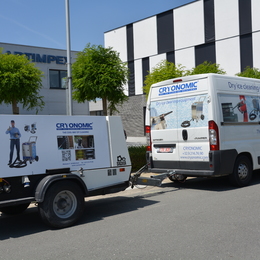
Our streamlined process ensures efficient cleaning with minimal downtime and maximum reliability.
Consultation & Site Assessment
We inspect the equipment, contamination type, and cleaning requirements.
Parameter Selection
Air pressure, nozzle type, and pellet size are selected for the application.
Dry Ice Blasting
Cleaning is performed safely with minimal disruption to production.
Inspection
The cleaned surface is inspected to ensure the required quality standard is achieved.
Ready for Operation
Since there is no water or residue, equipment can often return to service immediately.