Industrial facilities rely on effective cleaning methods to maintain equipment performance and operational efficiency. For decades, traditional techniques such as sandblasting, pressure washing, and chemical cleaning have been widely used. However, advancements in technology have introduced dry ice blasting as a modern alternative that addresses many of the limitations of conventional cleaning methods.
Understanding the differences between these approaches can help businesses choose the most suitable solution for their maintenance requirements.
Traditional Cleaning Methods
Traditional industrial cleaning often involves abrasive materials, water, chemicals, or manual labor to remove contaminants from equipment and surfaces.
Common methods include:
- Sandblasting
- Pressure Washing
- Chemical Cleaning
- Wire Brushing
- Solvent Cleaning
While effective in certain situations, these methods can create additional waste, require extensive cleanup, and sometimes damage sensitive equipment.
“The best cleaning solution is one that removes contaminants without creating new problems. Dry ice blasting achieves exactly that.”
Delfrex Industrial Solutions
What Is Dry Ice Blasting?
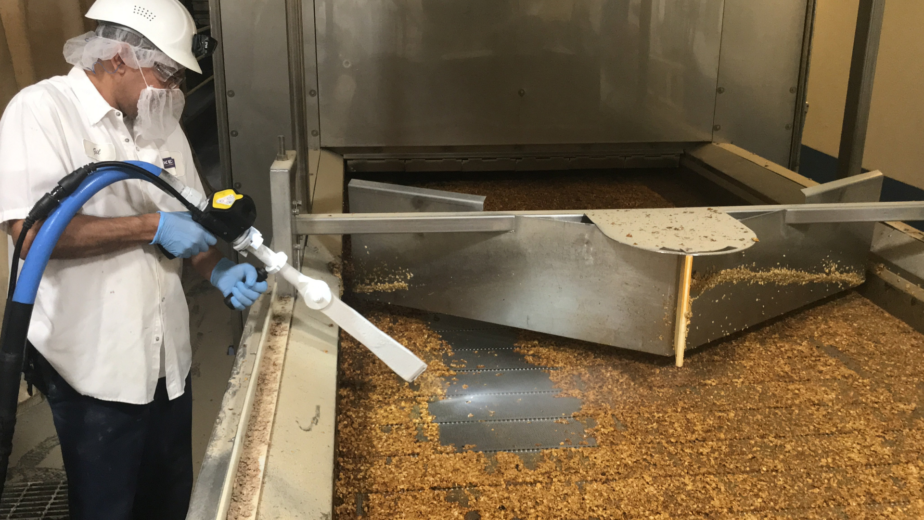
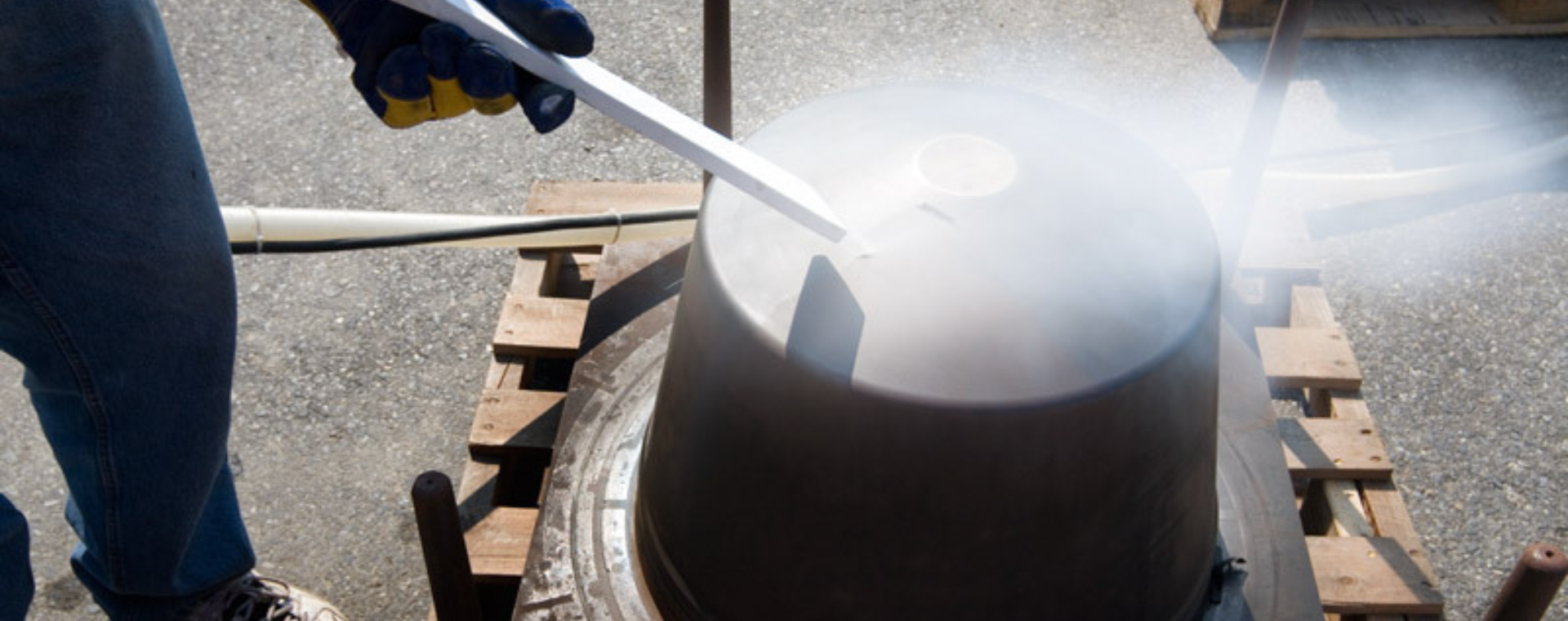
Dry ice blasting uses compressed air to accelerate dry ice pellets onto contaminated surfaces. Upon impact, the pellets loosen contaminants and instantly convert into gas, leaving no blasting media behind.
The process is non-abrasive, chemical-free, and suitable for a wide range of industrial applications.
Surface Protection
Traditional Cleaning
Many traditional methods rely on abrasive materials that can wear down equipment surfaces over time.
Dry Ice Blasting
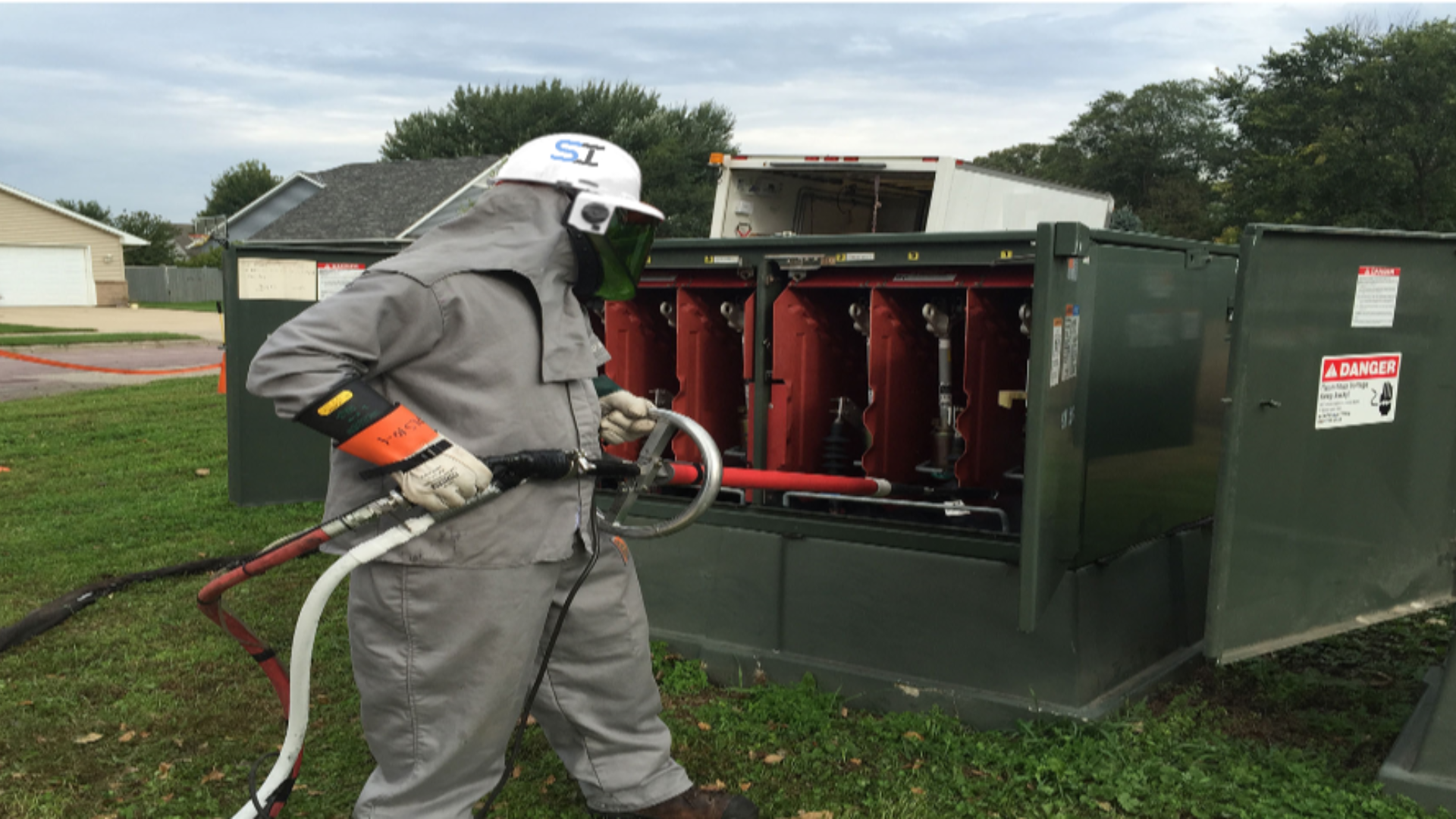
Dry ice blasting cleans effectively without damaging sensitive surfaces, making it ideal for molds, electrical systems, and production equipment.
Advantage: Dry Ice Blasting
Waste Generation
Traditional Cleaning
Sand, water, chemicals, and other cleaning media often create large amounts of secondary waste that must be collected and disposed of properly.
Dry Ice Blasting
Dry ice sublimates directly into gas, leaving only the removed contaminants behind.
Downtime Requirements
Traditional Cleaning
Equipment frequently needs to be disassembled before cleaning can begin.
Dry Ice Blasting
Many cleaning operations can be performed in place, reducing maintenance shutdowns and production interruptions.
Environmental Impact
Traditional Cleaning
Chemical cleaners and excessive water usage can increase environmental concerns and disposal requirements.
Dry Ice Blasting
The process uses recycled CO₂ and eliminates the need for harsh chemicals.
Cleaning Efficiency
Traditional Cleaning
Cleaning can be labor-intensive and time-consuming, especially for complex machinery.
Dry Ice Blasting
Provides fast and effective cleaning while reaching difficult areas with minimal effort.
Safety Considerations
Traditional cleaning methods often involve exposure to chemicals, solvents, and abrasive particles.
Dry ice blasting reduces chemical exposure and supports safer maintenance practices when operated according to proper safety guidelines.
Conclusion
While traditional cleaning methods still have their place, dry ice blasting offers significant advantages in terms of efficiency, surface protection, waste reduction, and environmental responsibility.
For industries seeking a modern, cost-effective, and sustainable cleaning solution, dry ice blasting has become a preferred choice across a wide range of applications.