Manufacturers are constantly looking for ways to improve productivity, reduce maintenance costs, and minimize production downtime. Traditional cleaning methods often require equipment shutdowns, extensive labor, and the use of chemicals that can impact both operations and the environment.
As a result, many manufacturing facilities are turning to dry ice cleaning as a smarter and more efficient maintenance solution. This advanced cleaning technology offers significant advantages over conventional methods while helping businesses maintain high production standards.
The Growing Need for Efficient Maintenance
In modern manufacturing environments, every minute of downtime affects productivity and profitability. Equipment must be cleaned regularly to ensure optimal performance, but maintenance activities should not interfere with production schedules.
Dry ice cleaning helps manufacturers achieve both goals by providing fast, effective, and non-abrasive cleaning without extensive equipment disassembly.
“Modern manufacturing requires maintenance solutions that are as efficient as the production systems they support. Dry ice cleaning delivers exactly that.”
Delfrex Industrial Solutions
Reduced Production Downtime
One of the primary reasons manufacturers adopt dry ice cleaning is its ability to reduce downtime.
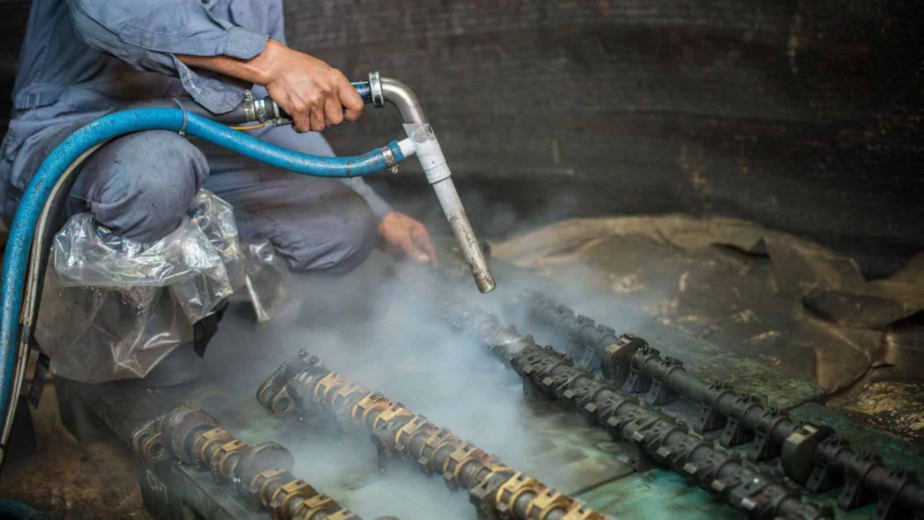
Unlike traditional cleaning methods that often require machinery to be taken apart, dry ice blasting can frequently be performed while equipment remains assembled.
Benefits include:
- Faster maintenance procedures
- Reduced production interruptions
- Increased operational efficiency
- Improved equipment availability
Protecting Valuable Equipment
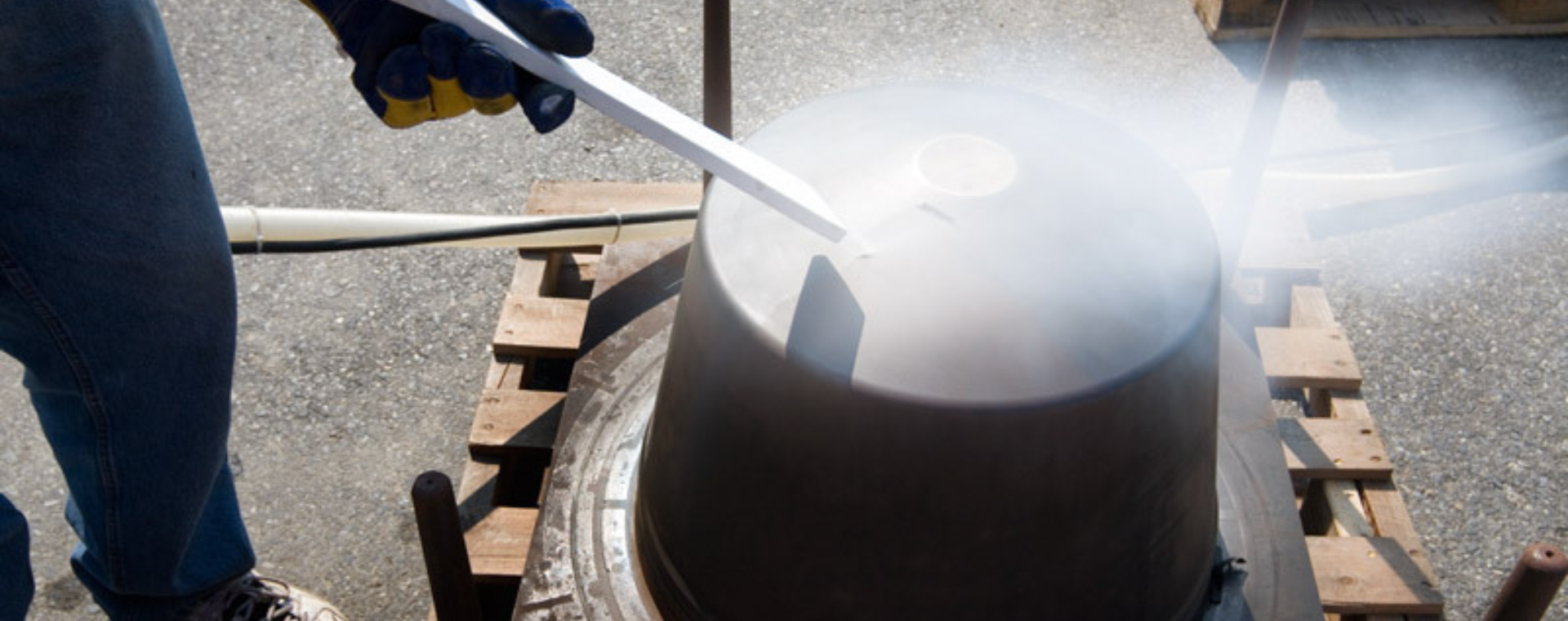
Manufacturing equipment represents a significant investment. Abrasive cleaning methods can gradually damage machinery, molds, and sensitive components.
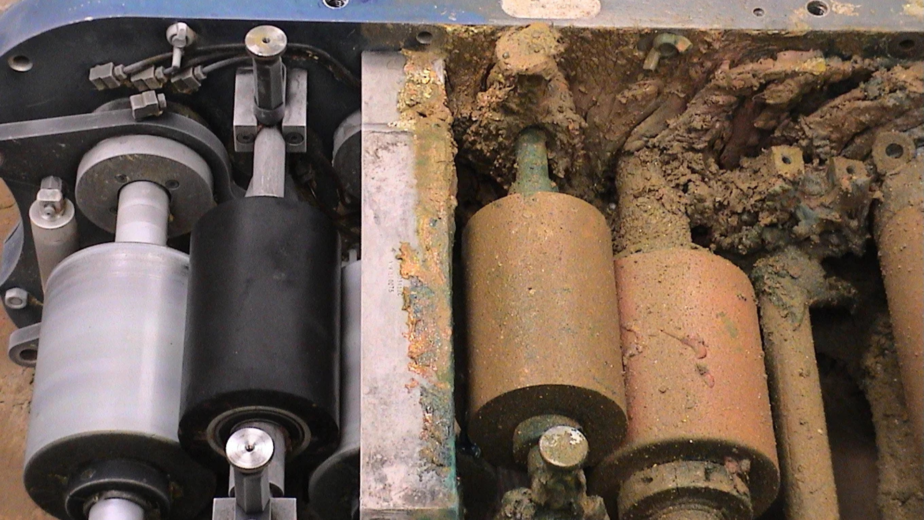
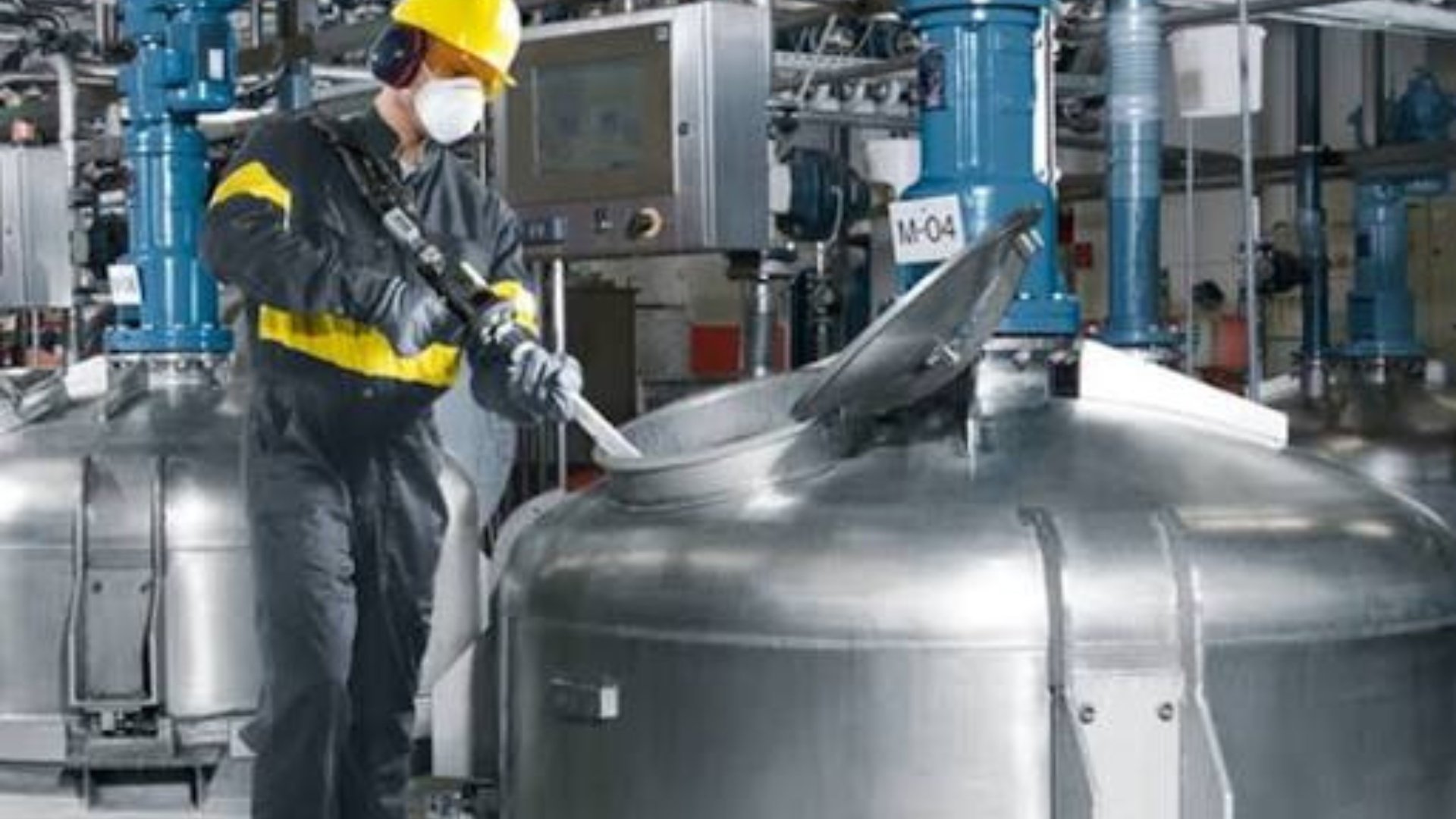
Dry ice cleaning is non-abrasive and helps maintain equipment integrity while effectively removing contaminants such as:
- Grease
- Oil
- Carbon deposits
- Adhesives
- Production residue
- Dust and dirt
This helps extend equipment lifespan and reduce repair costs.
Improved Cleaning Performance
Manufacturers often face cleaning challenges in hard-to-reach areas where traditional methods struggle to perform effectively.
Dry ice blasting can clean complex machinery and production equipment without leaving residue behind.
Applications include:
Mold Cleaning
Maintaining production quality and reducing cycle times.
Production Line Cleaning
Supporting continuous manufacturing operations.
Machine Cleaning
Improving efficiency and equipment reliability.
Electrical Component Cleaning
Removing contaminants from sensitive systems safely.
Chemical-Free Cleaning
Many traditional cleaning methods depend on solvents and chemicals that require special handling and disposal.
Dry ice cleaning eliminates the need for harsh chemicals, helping manufacturers:
- Improve workplace safety
- Reduce environmental impact
- Simplify cleaning procedures
- Lower disposal requirements
Supporting Sustainability Goals
Sustainability has become a major priority for manufacturers worldwide.
Dry ice cleaning supports environmental initiatives by:
- Reducing water consumption
- Eliminating chemical waste
- Minimizing secondary waste generation
- Using recycled carbon dioxide
These advantages help companies meet environmental objectives while maintaining operational performance.
Cost Savings Over Time
While cleaning technology is often evaluated based on initial cost, manufacturers increasingly recognize the long-term value of dry ice cleaning.
Potential savings include:
- Lower maintenance costs
- Reduced labor requirements
- Less production downtime
- Extended equipment life
- Reduced waste disposal expenses
The combined effect can significantly improve overall operational efficiency.
Industries Leading the Adoption
Dry ice cleaning is widely used across manufacturing sectors, including:
Automotive Manufacturing
Cleaning molds, robotic systems, and production equipment.
Food & Beverage Processing
Maintaining hygienic production environments.
Plastics & Composites
Removing residue from molds and tooling.
Printing Industry
Cleaning printing presses and production machinery.
Foundry Operations
Removing buildup from molds and casting equipment.x
Conclusion
Manufacturers are switching to dry ice cleaning because it delivers measurable improvements in productivity, equipment protection, and maintenance efficiency.
By reducing downtime, eliminating chemicals, and supporting sustainable operations, dry ice cleaning helps businesses remain competitive in an increasingly demanding industrial landscape.